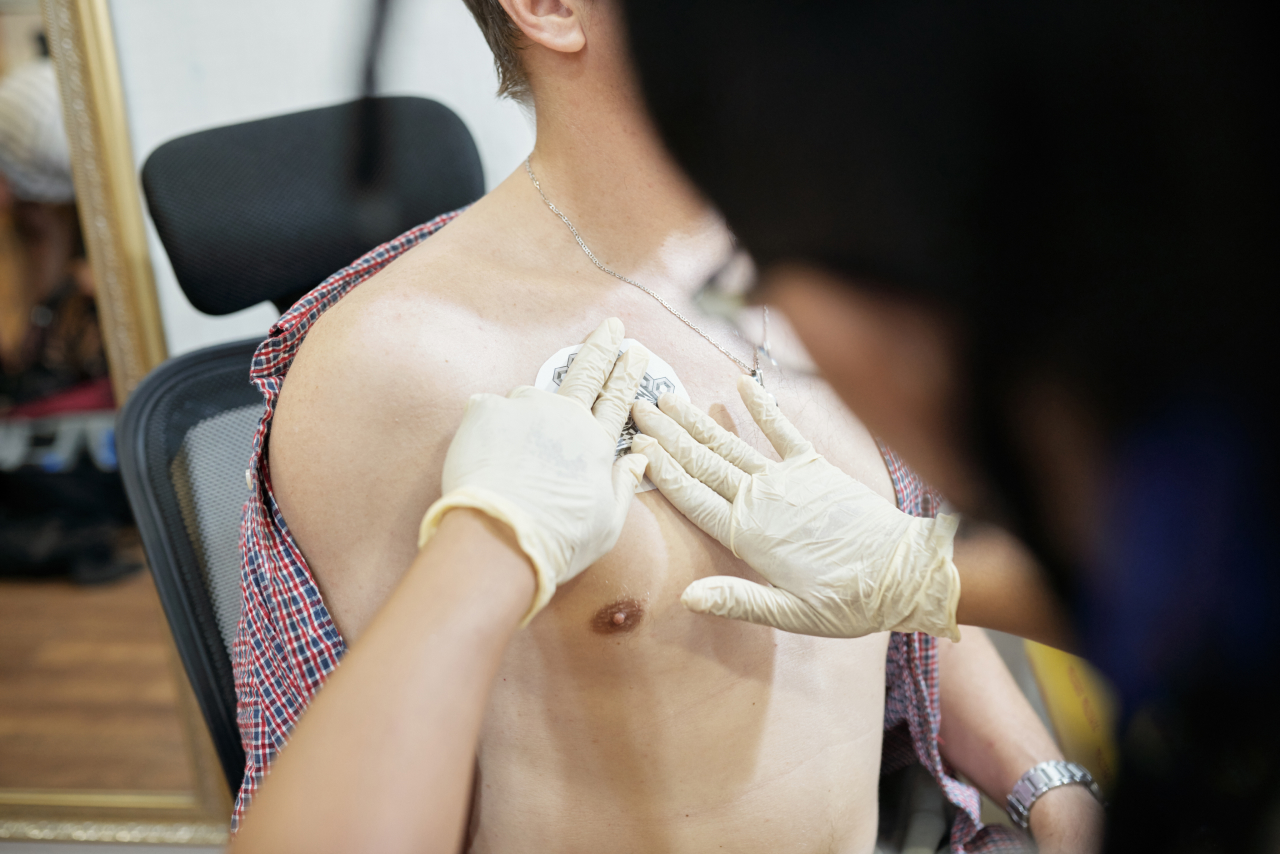
Noticing a slight puffiness or tenderness in your chest can be uncomfortable and confusing; mainly when it seems to appear unexpectedly. For many men, this early change is often a sign of stage 1 gynecomastia, the mildest and earliest form of male breast enlargement. While it can affect confidence and self-image, the good news is that this condition is common, manageable, and highly treatable, especially when addressed early.
At Alonzo Cosmetic Surgery, we regularly help men understand what’s happening with their bodies and guide them toward safe, effective solutions. With proper evaluation and timely care, early gynecomastia does not have to progress or become a long-term concern.
What Is Stage 1 Gynecomastia?
Stage 1 gynecomastia refers to the earliest phase of male breast enlargement where changes are usually subtle and localized. At this stage, men may notice a small amount of firm or rubbery tissue beneath the nipple area, mild swelling, or slight nipple puffiness. Some also experience tenderness or sensitivity, particularly when pressure is applied.
This condition is typically caused by a hormonal imbalance, specifically when estrogen levels outweigh testosterone levels in the body. Hormones play a major role in breast tissue development, and even small shifts can trigger changes in the chest area.
One of the most important things to understand about early gynecomastia is that it can be reversible, especially when identified and managed promptly. Lifestyle adjustments, medical evaluation, or early treatment may prevent further progression and eliminate the need for more invasive procedures later on.
Causes of Gynecomastia
Gynecomastia can develop for a variety of reasons, and in many cases, multiple factors may be involved. Understanding the cause is a key step in determining the most appropriate treatment.
Hormonal Imbalance
The most common cause of stage 1 gynecomastia is an imbalance between estrogen and testosterone. This can occur naturally during puberty, when hormone levels fluctuate, or later in life as testosterone levels gradually decline with age. Certain medications may also interfere with hormone balance, contributing to breast tissue growth.
Lifestyle Factors
Daily habits can significantly influence hormone levels. Excessive alcohol consumption, use of anabolic steroids, recreational drugs, and poor dietary choices may increase estrogen levels or reduce testosterone. Obesity is another contributing factor, as fat tissue can convert testosterone into estrogen, worsening chest fullness.
Medical Conditions
Some underlying health issues may also trigger gynecomastia. Conditions affecting the liver, thyroid, kidneys, or endocrine system can disrupt hormone regulation. While less common, these causes highlight the importance of professional medical assessment rather than self-diagnosis.
How to Know If You Have Stage 1 Gynecomastia
Stage 1 gynecomastia can be easy to overlook or mistake for simple weight gain. However, there are a few signs that may indicate early gynecomastia rather than excess fat alone.
You may notice a small, firm lump directly under the nipple, mild swelling that does not respond to exercise, or nipples that appear puffy even at a healthy body weight. Tenderness or sensitivity in the area is also common during this early stage.
If these changes persist or cause discomfort, it’s best to seek a professional consultation. Early evaluation allows a specialist to determine whether the enlargement is due to glandular tissue or fatty deposits, which directly affects treatment options and outcomes.
Treatment Options for Stage 1 Gynecomastia
The advantage of identifying gynecomastia early is the wide range of effective treatment options available. At this stage, many patients can benefit from conservative approaches, while others may prefer definitive correction.
Non-Surgical Approaches
For some men, addressing the underlying cause may be enough. This can include lifestyle changes such as reducing alcohol intake, improving diet, increasing physical activity, or adjusting medications under medical supervision. In specific cases, hormone therapy may be considered to correct imbalances, though this is not necessary for everyone.
These approaches may help reduce symptoms and prevent progression, particularly when gynecomastia is mild and recently developed.
Surgical Solutions
When glandular tissue is present or when non-surgical measures are ineffective, surgical treatment offers a permanent solution. Modern gynecomastia surgery is precise, safe, and highly effective, even for early-stage cases.
Procedures may involve liposuction, gland removal, or a combination of both, depending on the individual’s anatomy. The goal is to restore a flatter, more masculine chest contour with minimal scarring and natural-looking results.
At Alonzo Cosmetic Surgery, gynecomastia treatment is carefully planned to ensure accuracy, safety, and long-term satisfaction. Learn more about this procedure here:
Pre-surgery
Depending on your consultation, your doctor may recommend a medical evaluation or laboratory tests to ensure the procedure is safe and appropriate for you. Certain medications may also be prescribed, so it’s important to inform our doctors of any existing prescriptions you are currently taking. You may be advised to avoid aspirin, anti-inflammatory drugs, and herbal supplements prior to treatment. Most importantly, we also place great value on your emotional and mental readiness, and you can be confident that your care is guided by experienced and compassionate professionals.
The Surgical Process
To ensure your comfort, anesthesia is administered before the procedure begins. This may involve local anesthesia with sedation or general anesthesia, depending on your specific case and the recommended surgical approach. Gynecomastia surgery typically takes one to two hours to complete, and some patients may require a combination of liposuction and gland excision for optimal results. After the procedure, bandages or dressings are carefully applied to the incision sites, and a small drainage tube may be placed temporarily under the skin to help remove excess fluid or blood and support proper healing.
Recovery and Recuperation Process
You will be allowed to go home after the surgery. But you need to take note of the information below.
- You’ll experience tenderness, swelling, and some minor pain and discomfort for a few days. But don’t worry as these can be relieved by the medications prescribed by our doctors.
- You’ll need to go back after a day or two to remove the drain and bandages, and 7-8 days to remove the stitches. If necessary, follow-up appointments will be advised by our doctors.
- You’ll be advised to wear a compression garment or vest for 3-4 weeks until the marks, bruising, and swelling are gone. This would help avoid sagging and improve skin tightening and healing.
- You may go back to work and other normal activities within 4-7 days (some patients only took 1-2 days).
- You’ll have to avoid strenuous activities such as sports, exercise, and weight training for at least 4-6 weeks after the surgery. You may consult with our doctors should you plan to start any exercise program.
Why Choose Alonzo Cosmetic Surgery
Choosing the right clinic is just as important as choosing the right treatment. Alonzo Cosmetic Surgery is led by Dr. Benz and Benjamin Alonzo, a respected father-and-son team of board-certified cosmetic surgeons with a legacy of excellence after years of experience in the field.
The clinic is known for its patient-first approach, focusing on safety, natural-looking results, and realistic expectations. Every patient receives a personalized consultation, ensuring that treatment decisions are based on individual anatomy, lifestyle, and goals—not a one-size-fits-all approach.
With modern facilities, advanced surgical techniques, and a professional medical team, patients can feel confident knowing they are in experienced and trusted hands with Alonzo Cosmetic Surgery.
FAQs
- Can stage 1 gynecomastia go away on its own?
In some cases, yes—especially if it’s caused by temporary hormonal changes. However, persistent cases should be evaluated to prevent progression. - What does stage 1 gynecomastia look like?
It usually appears as mild swelling, nipple puffiness, or a small firm area under the nipple, often with slight tenderness. - When should I see a doctor?
If the swelling lasts more than a few months, causes discomfort, or affects confidence, it’s best to seek professional advice early. - Is surgery necessary for stage 1 gynecomastia?
Not always. Many cases can be managed without surgery, but surgery provides a permanent solution when glandular tissue is present. - How safe is gynecomastia surgery?
When performed by board-certified surgeons in a proper medical facility, gynecomastia surgery is considered very safe. - How soon can I return to work after surgery?
Most patients return to light activities within a few days and resume normal routines within one to two weeks. - Will there be noticeable scars?
Incisions are small and strategically placed, making scars minimal and often barely noticeable over time.
Stage 1 gynecomastia is not something to ignore—but it’s also not something to fear. With early attention, proper diagnosis, and expert guidance, it can be managed effectively and confidently. Taking action early gives you more options, better results, and peace of mind.
If you’re concerned about changes in your chest, a professional consultation can help clarify your condition and guide you toward the best solution. Take the first step today by scheduling a consultation with Alonzo Cosmetic Surgery.
Early care can make all the difference—not just in your appearance, but in your confidence and quality of life.