Planning cosmetic surgery abroad can be both exciting and overwhelming. With the rise of medical tourism, more patients are exploring international options for high-quality procedures at more accessible costs. However, successful outcomes depend not just on the surgery itself, but on careful preparation before, during, and after your trip.
This medical tourism checklist is designed to guide you through every stage of your journey, from choosing the right surgeon to planning your recovery, so you can move forward with confidence, clarity, and peace of mind.
Why Preparation Matters in Medical Tourism
Traveling for surgery involves more than just booking a flight and selecting a clinic. It requires thoughtful coordination of medical care, logistics, and recovery planning.
Proper cosmetic surgery preparation helps:
- Reduce risks and complications
- Ensure smoother communication with your medical team
- Improve recovery outcomes
- Minimize unexpected costs or delays
A well-planned approach allows you to focus on your results and recovery, rather than avoidable stress.
Step 1: Research Your Destination and Clinic
Your first step in surgery travel planning is choosing a destination known for quality healthcare and experienced surgeons.
When evaluating a clinic, consider the following:
- Board certification and years of surgical experience
- Reputation and patient reviews
- Range of procedures offered
- Transparency in pricing and consultation process
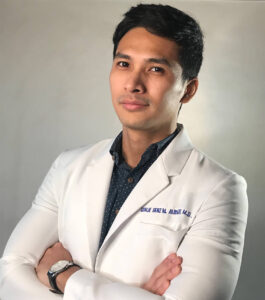
Look for clinics that emphasize safety, personalized care, and realistic results, not just affordability, just like Alonzo Cosmetic Surgery. Here at Alonzo, we pride ourselves with having two of the most sought-after surgeons in the country who have gained numerous achievements and certifications through years of experience.
Step 2: Schedule a Virtual Consultation
Before committing, arrange a virtual consultation with your chosen clinic. This is your opportunity to ask questions, understand the procedure, and evaluate how comfortable you feel with the medical team.
Do these during the consultation:
- Discuss your goals and expectations.
- Ask about risks, recovery time, and outcomes.
- Request a detailed treatment plan and cost estimate.
- Clarify what is included in the package.
Clear communication early on sets the foundation for a smoother experience.
Step 3: Understand the Full Cost Breakdown
While lower costs are often a key reason for medical tourism, it’s important to understand the total investment, not just the procedure fee.
Your checklist should include:
- Surgeon’s fees
- Anesthesia and facility charges
- Pre-operative tests
- Post-operative medications
- Follow-up appointments
In addition, factor in travel-related expenses such as airfare, accommodation, transportation, and meals. A transparent clinic will help you understand all costs upfront, avoiding surprises later.
Step 4: Plan Your Travel and Accommodation
Careful surgery travel planning ensures that your journey is comfortable and supports your recovery. Staying near your clinic also makes follow-up visits more convenient and reduces physical strain during recovery.
Consider the following:
- Book flights that allow adequate rest before and after surgery
- Choose accommodation close to the clinic for easy access
- Arrange airport transfers and local transportation
- Allow extra days for recovery before flying home
Step 5: Prepare Your Medical Documents
Bring all necessary medical information or documents to ensure your surgical team has a complete understanding of your health. Providing accurate information helps your doctor create a safe and effective treatment plan.
These may include:
- Medical history and current conditions
- List of medications and supplements
- Previous surgical records
- Recent lab results (if available)
Step 6: Follow Pre-Surgery Instructions Carefully
Your surgeon will provide specific instructions before your procedure. These are essential for minimizing risks and ensuring optimal results. Following these instructions closely can significantly impact your safety and recovery.
Common guidelines include:
- Avoiding certain medications or supplements
- Stopping smoking or limiting alcohol intake
- Fasting before surgery (if required)
- Maintaining a stable, healthy condition
Step 7: Plan for Recovery and Aftercare
Recovery is a critical part of your cosmetic surgery preparation. Plan ahead to ensure that you have the support and environment needed to heal properly.
Ask your clinic these questions.
- How long should you stay after surgery?
- What follow-up visits are required?
- What restrictions should you expect?
- What support is available after you return home?
Make sure your accommodation is comfortable, quiet, and suitable for rest. If possible, travel with a companion who can assist you during the initial recovery period.
Step 8: Prepare for Communication and Support
Being in a different country can present communication challenges. Choose a clinic that provides clear, responsive communication before and after your procedure.
Check the clinic if they have the following:
- English-speaking staff or translators
- Accessible contact channels (phone, email, or social media)
- Enough manpower for prompt responses to inquiries
Ongoing communication ensures that any concerns during recovery are addressed quickly.
Step 9: Set Realistic Expectations
Cosmetic surgery can deliver meaningful improvements, but it’s important to maintain realistic expectations.
A responsible surgeon will:
- Explain achievable results based on your condition
- Discuss potential risks and limitations
- Avoid overpromising outcomes
Understanding what to expect helps you feel more satisfied with your results and reduces unnecessary anxiety.
Step 10: Use a Final Pre-Travel Checklist
Before your departure, review this final medical tourism checklist to ensure everything is in place. Being fully prepared allows you to focus on your experience with confidence.
✔ Confirmed surgery date and treatment plan
✔ Complete cost breakdown and payment method
✔ Flight and accommodation bookings
✔ Medical documents and prescriptions
✔ Pre-surgery instructions followed
✔ Post-surgery recovery plan arranged
✔ Emergency contacts and clinic details saved
✔ Travel insurance (if applicable)
Choosing the Right Clinic Matters
A successful medical tourism experience depends heavily on the clinic you choose. Beyond cost savings, the right provider offers experienced, board-certified surgeons, safe and well-equipped facilities, personalized care, and clear, ethical communication at every stage of your journey.
At Alonzo Cosmetic Surgery, patients benefit from decades of experience under the leadership of Drs. Benz and Benjamin Alonzo, along with a strong focus on safety, natural-looking results, and individualized treatment planning. From initial consultation to post-operative care, the clinic is committed to guiding patients through each step with professionalism and attention to detail.
Clinics that prioritize patient safety, realistic outcomes, and long-term satisfaction help ensure a smooth and positive experience—from consultation to recovery—especially for those traveling from overseas.
Your Journey Starts with the Right Preparation
Planning cosmetic surgery abroad takes more than choosing a destination. It requires careful preparation, informed decisions, and a clear focus on safety at every step. Take your time. Do your research. Ask the right questions. The more prepared you are, the more confident you’ll feel throughout the process.
This medical tourism checklist is designed to guide you—from selecting the right surgeon to planning your recovery. Each step plays a role in protecting your safety and helping you achieve natural, satisfying results.
When done properly, cosmetic surgery overseas can be a smooth and rewarding experience. With the right team, the right plan, and the right expectations, you can move forward with confidence.At Alonzo Cosmetic Surgery, patients receive expert guidance, personalized care, and a commitment to safe, natural-looking outcomes. Schedule a consultation today to discuss your options and take the next step with a trusted medical team.