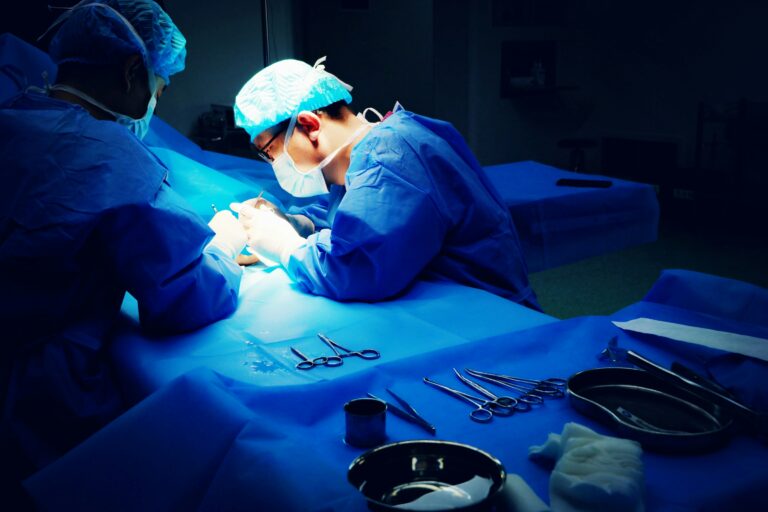
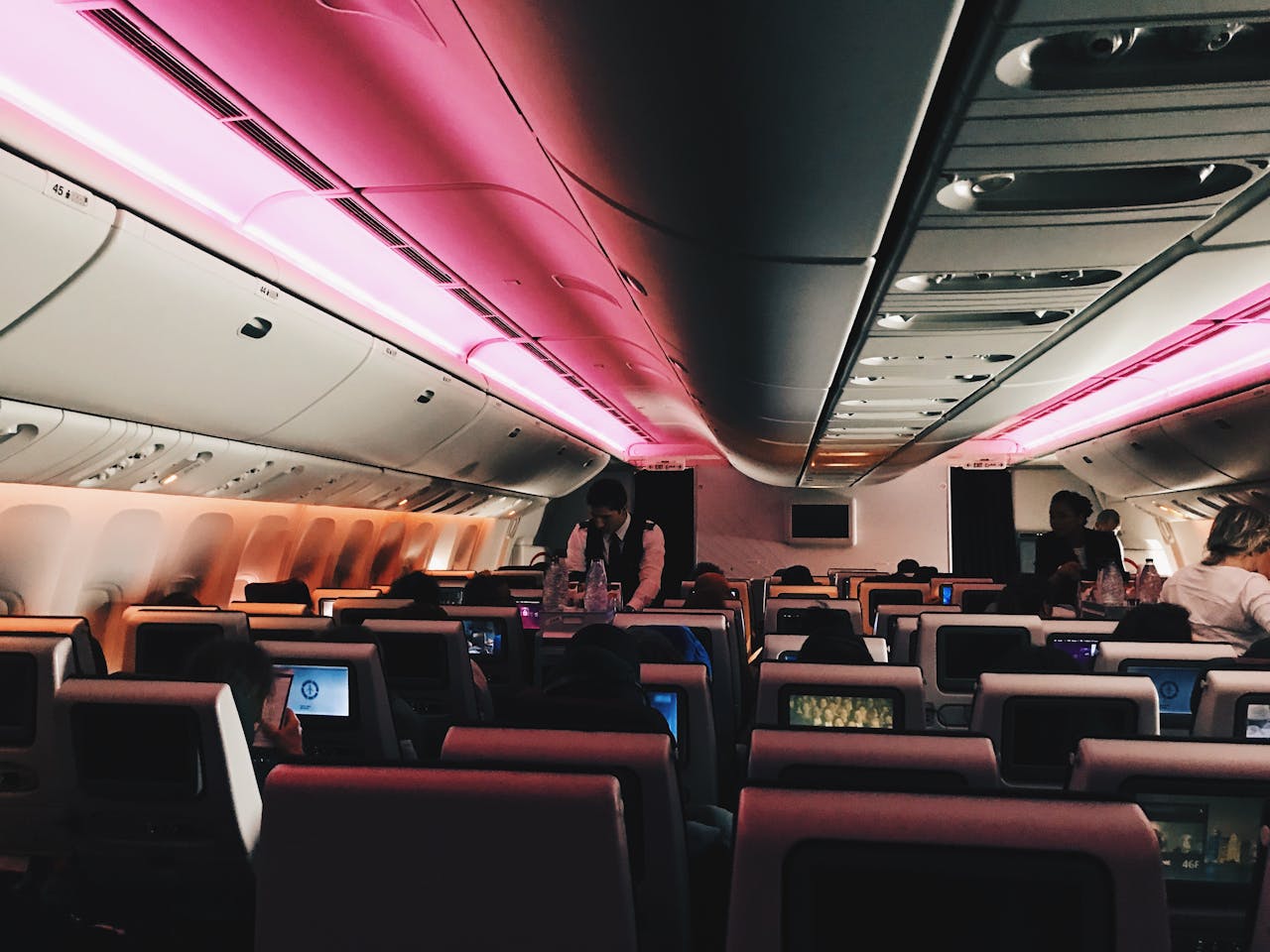
For medical tourists, recovery planning involves more than just the procedure itself. One of the most important questions patients ask is: “When is it safe to fly home after cosmetic surgery?” While many people focus on surgery dates and accommodations, understanding your recovery timeline is just as essential for a safe and comfortable experience.
Flying too soon can place unnecessary stress on the body during a critical stage of healing. By understanding the typical cosmetic surgery recovery timeline and following proper post-surgery travel guidance, patients can reduce risks, travel more comfortably, and support better long-term results.
Why Flying Too Soon Can Be Risky
After surgery, your body needs time to recover from swelling, inflammation, and tissue healing. Air travel, particularly long-haul flights, can place additional strain on circulation and increase physical discomfort during recovery.
Some of the concerns associated with early post surgery travel include:
- Increased swelling due to cabin pressure
- Limited mobility during long flights
- Discomfort around surgical areas
- Higher risk of blood clots after major procedures
This is why surgeons like Dr. Benz Alonzo and Dr. Benjamin Alonzo typically recommend staying in the Philippines long enough to complete the most critical phase of recovery before travelling internationally.
What Determines Your Recovery Timeline?
There is no single answer for when you can safely fly home. Your timeline depends on several factors, including:
- The type of procedure performed
- Whether multiple procedures were combined
- Your body’s natural healing response
- Your overall health and mobility
Patients undergoing minimally invasive treatments may be cleared for travel relatively quickly, while those recovering from more extensive surgeries often require additional monitoring.
Clinics carefully assess each patient’s recovery progress before approving air travel, ensuring safety remains a priority throughout the healing process.
General Recovery Timeline Before Flying
While every patient heals differently, there are general guidelines for when most people can safely travel after cosmetic procedures.
Non-Surgical Treatments (2–5 Days)
Sample procedures:
- Botox
- Dermal fillers
- PRP and exosome facials
- Non-invasive skin rejuvenation treatments
These treatments involve minimal downtime, allowing patients to travel sooner. However, short observation periods are still recommended to monitor swelling, bruising, or skin sensitivity.
Patients who visit for regenerative skin treatments often extend their stay slightly to allow the results to settle before flying home comfortably.
Minor Cosmetic Procedures (7–10 Days)
Sample procedures:
- Eyelid surgery
- Small-area liposuction
- Scar revision
These involve mild swelling and require short-term follow-up care. During this stage of the cosmetic surgery recovery timeline, patients are usually advised to avoid unnecessary physical strain while healing continues.
Waiting at least a week before flying allows surgeons to monitor incision sites and ensure recovery is progressing normally.
Moderate Procedures (10–14 Days)
Sample procedures:
- Breast augmentation
- Rhinoplasty
- Larger-area liposuction
These surgeries involve more noticeable swelling and post-operative discomfort during the first two weeks. Many patients still experience temporary tightness, bruising, or fatigue during this stage.
A slightly longer stay allows time for:
- Follow-up appointments
- Swelling management
- Early healing assessment
This also helps make long-distance post-surgery travel more manageable and less physically demanding.
Major Procedures (14–21 Days or Longer)
Sample procedures:
- Tummy tuck
- Mommy makeover
- Combined body contouring procedures
Under the care of experienced medical professionals, patients receive guided recovery plans tailored to both their procedure and travel needs. These major surgeries typically require the longest recovery periods before traveling. Patients often experience restricted movement and need more comprehensive aftercare during the first few weeks.
Surgeons generally recommend delaying flights until:
- Mobility improves
- Swelling becomes more stable
- Surgical drains or sutures are removed if necessary
How Surgeons Determine If You’re Ready to Fly
Being “cleared” for travel involves more than simply feeling better. Your surgeon will evaluate several aspects of your recovery before approving your flight home.
- Checking incision healing
- Assessing swelling and bruising
- Monitoring mobility and circulation
- Reviewing pain levels and medication use
In some cases, surgeons may also recommend additional precautions for air travel, such as wearing compression garments or scheduling movement breaks during longer flights.
Tips for Safer Post-Surgery Travel
Being cleared to fly doesn’t necessarily mean your recovery is complete. Your body may still be managing swelling, tenderness, and reduced mobility, making it important to approach travel with extra care. Long flights, airport queues, and carrying luggage can place unexpected strain on healing tissues if you’re not properly prepared.
Planning ahead can make your journey significantly more comfortable and help minimise unnecessary stress during recovery. Simple precautions—both at the airport and during your flight—can support circulation, reduce discomfort, and help protect your surgical results while your body continues to heal.
Here are some helpful post-surgery travel tips.
Tip #1 Stay hydrated.
Cabin air can contribute to dehydration, which may worsen swelling and discomfort. Drinking enough water before and during your flight supports circulation and recovery.
Tip #2: Move periodically during long flights.
Standing, stretching, and walking briefly when possible can help improve circulation and reduce stiffness.
Tip #3: Wear comfortable clothing.
Loose-fitting clothes and compression garments (if recommended) can make travelling more comfortable after surgery.
Tip #4: Avoid carrying heavy luggage.
Lifting heavy bags too soon may strain healing tissues, especially after abdominal or breast procedures.
Tip #5: Follow medication instructions.
Continue taking prescribed medications exactly as directed, even while travelling.
Why Recovery Time Should Never Be Rushed
Many medical tourists are tempted to shorten their stay to save time or reduce travel expenses. However, rushing your recovery can compromise both safety and results.
Allowing enough time for healing gives your surgeon the opportunity to:
- Monitor your progress properly
- Address concerns early
- Ensure you are physically ready for travel
A well-planned recovery period often leads to a smoother overall experience and greater peace of mind throughout the journey.
The Advantage of Recovering in the Philippines
Beyond affordability, many patients find the Philippines to be an ideal environment for recovery. The combination of quality medical care, warm hospitality, and accessible follow-up support creates a reassuring experience for international patients.
Many clinics also help guide medical tourists through the recovery process by providing:
- Detailed aftercare instructions
- Scheduled follow-up visits
- Recommendations for recovery-friendly accommodations
This level of support can make a significant difference during the early stages of healing.
Give Your Body Time to Heal
Recovery is a critical part of achieving safe and successful cosmetic surgery results. While it may be tempting to fly home as soon as possible, allowing your body enough time to heal can reduce complications and make your journey far more comfortable.
By understanding the typical cosmetic surgery recovery timeline and planning your post surgery travel carefully, you can approach your recovery with greater confidence and peace of mind.Considering cosmetic treatment in the Philippines? Let experienced professionals Dr. Benz and Benjamin Alonzo ensure your smooth recovery and travel plans. Schedule a consultation today to discuss your options and explore the best method for you or your loved one with the country’s leading medical professionals.