When preparing for a cosmetic procedure, it is entirely natural to focus on the logistics: scheduling your consultation, arranging your travel, and preparing your recovery space. However, one of the most powerful tools for a successful surgical outcome lies right in your kitchen.
What you put into your body before and after your procedure directly influences how well you heal. Think of cosmetic surgery as an athletic event: your body requires premium fuel to repair tissues, fight off potential infections, and reduce post-operative swelling.
Whether you are traveling for a comprehensive transformation like an abdominoplasty (tummy tuck) or a targeted refinement like a rhinoplasty, following a structured surgery nutrition guide ensures your body has the vital resources it needs to heal beautifully and efficiently.
Why Pre-Op and Post-Op Nutrition Matter
The physical trauma of surgery temporarily increases your body’s metabolic rate. Your system suddenly demands extra energy, protein, and micronutrients to rebuild cellular structures and mend incisions.
Neglecting your diet during this critical window can lead to prolonged swelling, increased bruising, weakened immunity, and even delayed wound healing. Conversely, fueling your body with targeted nutrients ensures a smoother recovery curve and helps secure the best possible aesthetic results.
Under the expert care of Drs. Benz and Benjamin Alonzo at Alonzo Cosmetic Surgery, patients receive comprehensive medical guidance that extends beyond the operating room. Maximizing your recovery means aligning your daily nutrition with your surgical healing plan.

Part 1: The Pre-Op Diet for Cosmetic Surgery
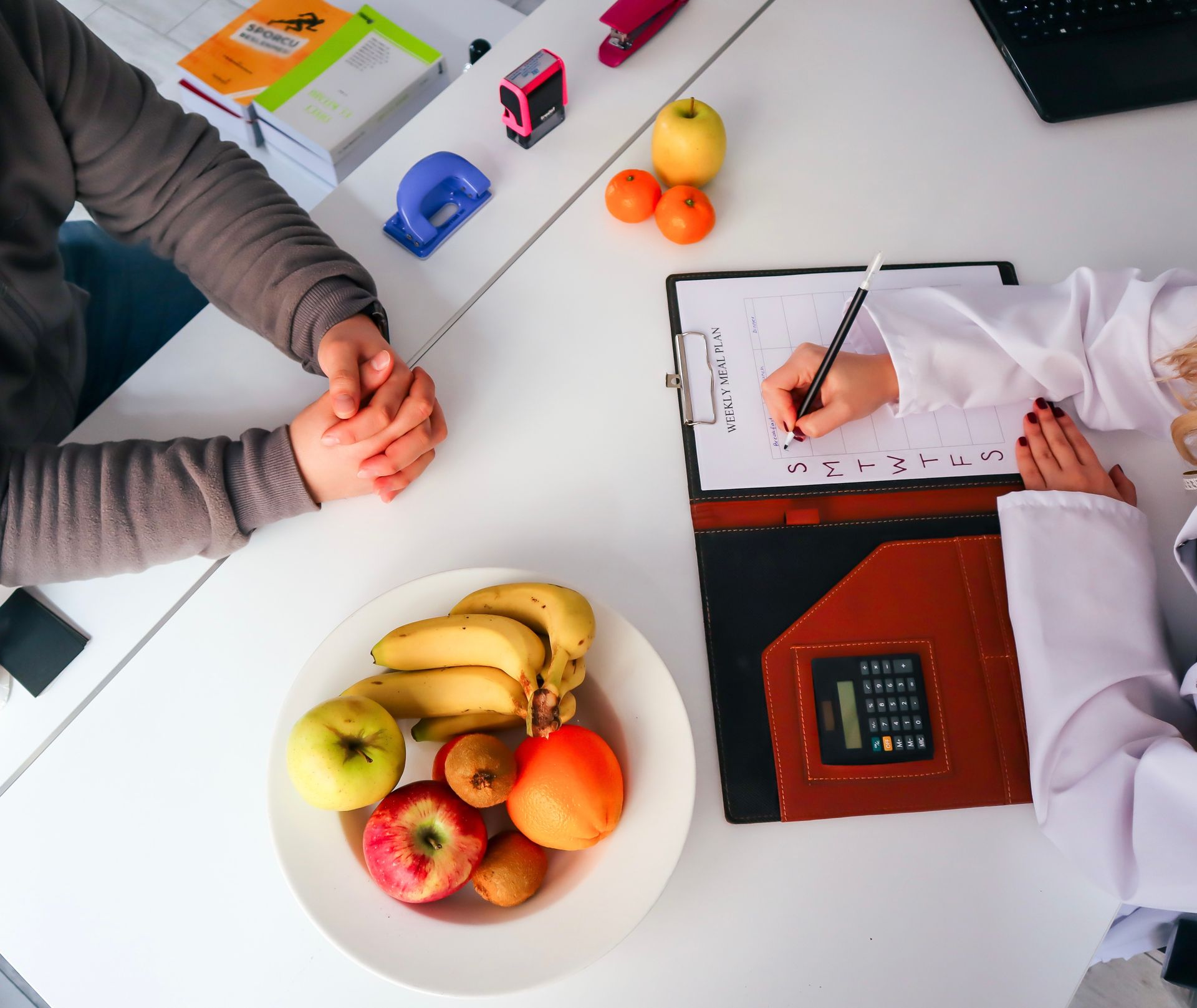
Your pre-surgical nutrition goals are simple: build up your body’s nutrient reserves, strengthen your immune system, and minimize variables that could increase bleeding or inflammation.
As a general rule, you should start focusing heavily on your pre-op diet cosmetic surgery plan roughly two to three weeks before your scheduled procedure date. Here are some tips.
1. Prioritize lean proteins.
Protein provides the essential building blocks (amino acids) required for tissue repair and collagen synthesis. Aim to include a clean source of protein with every meal.
- Excellent sources: Chicken breast, turkey, wild-caught fish, eggs, tofu, and legumes.
2. Boost your intake of Vitamin C and Zinc.
Vitamin C is an essential cofactor in collagen formation, which helps your incisions close securely. Zinc plays a crucial role in cellular growth and immune function.
- Excellent sources: Citrus fruits, bell peppers, broccoli, spinach, and lean meats.
3. Focus on hydration.
Going into surgery fully hydrated supports healthy blood circulation and helps your body process anesthesia more efficiently. Drink at least 8 to 10 glasses of water daily in the weeks leading up to your date.
What to Avoid Before Surgery
Certain foods, supplements, and lifestyle habits can thin your blood or interfere with anesthesia. Strictly avoid these for at least two weeks before your procedure.
- Anti-inflammatory foods and supplements: High doses of Vitamin E, ginkgo biloba, garlic supplements, ginger supplements, and ginseng, as these can increase bleeding risks.
- Alcohol and Nicotine: Alcohol dehydrates the body and impairs liver function, while nicotine restricts blood vessels, drastically reducing the oxygen supply needed for wound healing.
- Excessive Sodium: High salt intake causes fluid retention, which can exacerbate post-operative swelling before you even begin.
Part 2: The Post-Op Recovery Meal Plan
Once your procedure is complete, your body enters an intensive phase of tissue remodeling. Your recovery meal plan should focus on managing inflammation, combating temporary swelling, and supporting energy levels while you rest.
| Post-Op Nutrient Checklist | |
| Target Nutrient | Health Benefit During Recovery |
| □ High-Quality Protein | Repairs incisions and rebuilds tissue |
| □ Bromelain (Pineapple) | Naturally reduces bruising and swelling |
| □ Probiotics (Yogurt) | Restores gut health after antibiotics |
| □ Healthy fats (Avocado) | Lowers inflammation and supports brain health/cell function |
Days 1 to 3: Gentle, Easy-to-Digest Comfort
Immediately following surgery, anesthesia, and prescribed pain medications can occasionally cause nausea or a sluggish digestive system. Focus on light, easily digestible meals that do not require heavy chewing.
- Smoothies and Shakes
Blend whey or plant-based protein powder with spinach, almond milk, and half a banana. This delivers a massive wave of nutrients without taxing your digestive tract.
- Bone Broth or Chicken Soup
Rich in collagen, amino acids, and vital electrolytes, warm broths are incredibly soothing and highly bioavailable for a healing body.
Weeks 1 to 3: The Cellular Rebuilding Phase
As your appetite fully returns, transition into a well-rounded, anti-inflammatory whole-food diet to systematically target swelling and support continuous tissue knitting.
- Incorporate Anti-Bruising Foods
Pineapples and papayas contain natural enzymes (bromelain and papain) known to help minimize bruising and systemic inflammation.
- Load Up on Colorful Antioxidants
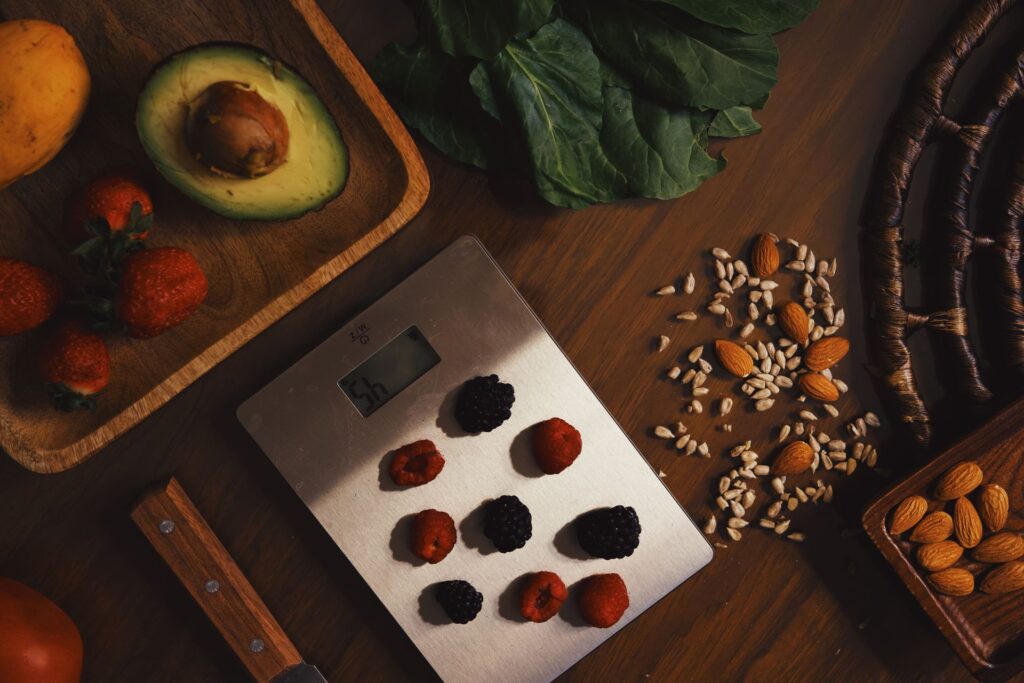
Berries (blueberries, strawberries, raspberries) are packed with dark pigments that neutralize free radicals and help protect vulnerable cells during healing.
- Integrate Healthy Fats
Monounsaturated and omega-3 fatty acids help regulate your body’s inflammatory response. Incorporate avocados, olive oil, walnuts, and chia seeds into your daily meals.
- Support Your Gut
If your surgical plan includes a short course of post-op antibiotics, protect your digestive system by consuming probiotic-rich foods like Greek yogurt, kefir, or traditional fermented options.
Crucial Post-Op Avoidances
To keep your recovery timeline on track, steer clear of heavily processed foods, sugary snacks, and fast food. High sugar and refined carbohydrate intake can trigger spikes in systemic inflammation, potentially intensifying your physical discomfort and prolonging localized swelling.
Navigating Nutrition as a Medical Tourist in Manila
If you are traveling to the Philippines for your procedure, managing a precise recovery diet might initially seem challenging away from home. Fortunately, Manila’s modern lifestyle infrastructure makes healthy eating remarkably convenient.
1. Leverage premium grocery and meal delivery apps.
You do not need to worry about cooking while resting in your hotel or recovery suite. Apps like Grab and Foodpanda offer seamless access to a wide array of health-conscious restaurants across Metro Manila. You can easily order freshly prepared high-protein salads, organic grain bowls, and fresh cold-pressed juices delivered straight to your door.
2. Experience non-invasive care at our clinic.
While your body heals from the inside out through proper nutrition, you can optimize your external results through advanced clinical support. At Alonzo Cosmetic Surgery, we offer a selection of non-invasive treatments, medical facials, and skin rejuvenation options designed to minimize post-operative dullness and support your tissues as they recover.
Let Your Body Heal from a Position of Strength
Your aesthetic transformation is a collaborative journey between your surgical team’s clinical expertise and your commitment to proper self-care. By prioritizing a nutrient-dense pre-op diet and sticking to a clean, anti-inflammatory recovery meal plan, you actively safeguard your safety, accelerate your healing timeline, and maximize your long-term results.
At Alonzo Cosmetic Surgery, Drs. Benz and Benjamin Alonzo provide patient-centered care that guides you safely through every milestone of your transformation. Our team is dedicated to giving you the comprehensive support, medical oversight, and peace of mind you deserve.
Are you ready to take the next step toward a more confident version of yourself? Contact Alonzo Cosmetic Surgery today to schedule your personalized consultation and begin planning your safe, beautiful transformation.