
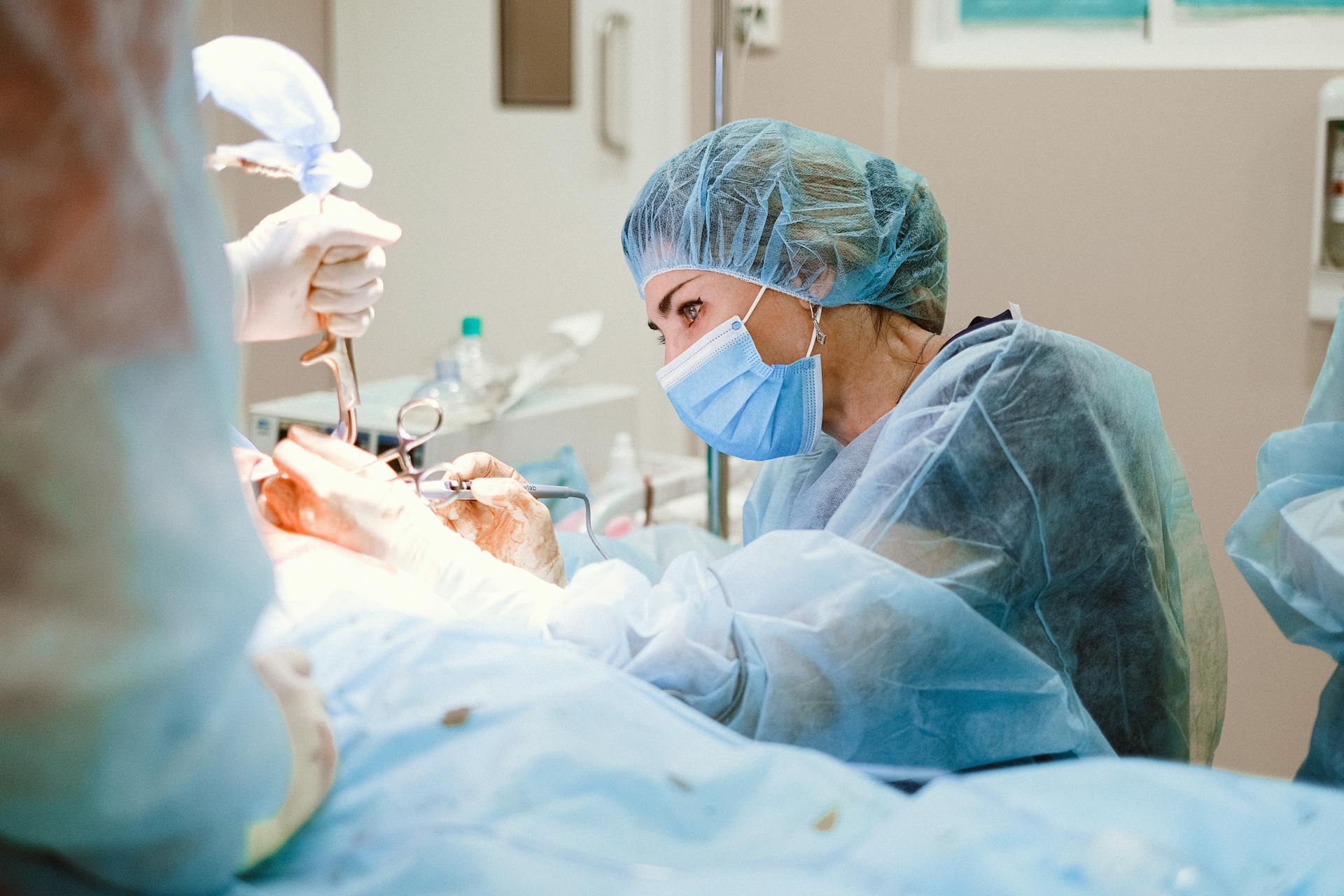
Choosing to undergo cosmetic surgery abroad is a big decision, and recovery is just as important as the procedure itself. If you’re considering the Philippines for your treatment, understanding recovery after plastic surgery can help you plan with confidence.
The good news? The Philippines is known not only for skilled surgeons but also for its patient-focused care, warm hospitality, and supportive recovery environment. With the right preparation and guidance, your healing journey can be smooth, safe, and even comfortable.
Why Recovery Planning Matters for Medical Tourists
When travelling for surgery, your recovery isn’t just about rest, it involves logistics and support systems, too. These key factors also influence your recovery.
- The type of procedure performed
- Your overall health and lifestyle
- The quality of post-operative care
- Your accommodation and environment
Unlike local patients, medical tourists need to think ahead about where they’ll stay, who will assist them, and how long they’ll remain in the country before flying home.
What to Expect Immediately After Surgery
Right after your procedure, you’ll typically be monitored in a recovery room before being transferred to a private suite or discharged, depending on the treatment.
Common Immediate Effects
- Mild to moderate discomfort
- Swelling and bruising
- Temporary fatigue or grogginess
- Limited mobility (depending on the procedure)
Your surgeon will provide detailed aftercare instructions, including medications, wound care, and activity restrictions. Following these closely is essential for proper healing.
The First Few Days: Critical Healing Phase
The first three to seven days are the most delicate part of recovery after plastic surgery. During this time, you’ll need to do the following.
- Prioritize rest and avoid strenuous movement
- Attend follow-up appointments
- Keep surgical areas clean and protected
- Stay hydrated and maintain a light, nutritious diet
Many clinics in the Philippines, like Alonzo Cosmetic Surgery, offer hands-on support during this stage, ensuring patients are closely monitored and comfortable.
Week-by-Week Recovery Timeline
While recovery varies, here’s a general guide to help you plan.
Week 1: Rest and Monitoring
- Swelling and bruising are at their peak
- Limited activity is recommended
- Follow-up visits are crucial
Week 2: Gradual Improvement
- Visible swelling begins to subside
- Light movement is usually allowed
- Some patients feel well enough for short outings
Weeks 3–4: Increased Mobility
- Most discomfort significantly decreases
- You may resume light daily activities
- Results start becoming more noticeable
Beyond One Month
- Continued healing and refinement of results
- Gradual return to normal routines
- Final results develop over time
Your surgeon will personalize this timeline based on your procedure and progress. For example, Dr. Benz and Benjamin Alonzo’s recovery plans are carefully tailored to each patient. They ensure that the patients are guided at every stage of healing for safe, optimal results.
Where You’ll Recover: Accommodation Options
Your recovery environment plays a key role in how comfortable and stress-free your healing process will be. In the Philippines, patients can choose from a range of accommodations designed to support post-surgical needs, offering the right balance of comfort, privacy, and accessibility.
Popular Options for Medical Tourists
Recovery houses with clinical support
Purpose-built for post-surgical care, these spaces often include caregiver assistance for wound care, medication, and daily needs, which is ideal for patients who require closer monitoring.
Serviced apartments for a home-like setting
A more private option with added conveniences like housekeeping and kitchen facilities, suited for those who prefer to recover independently at their own pace.
Hotels with medical guest support
Hotels near clinics often cater to post-op guests, providing room service, concierge assistance, and easy access to transport.
Post-Op Care in the Philippines: What Makes It Different
A major highlight of post op care in the Philippines is the level of attention patients receive throughout their recovery. Care doesn’t stop after the procedure; in many cases, it becomes even more hands-on. Clinics place strong emphasis on continuity, ensuring that patients are regularly monitored, supported, and guided as they heal.
For international patients, this can be especially reassuring. Instead of navigating recovery on your own, you’re in an environment where communication is clear, support is accessible, and your comfort is prioritised at every step. This reduces uncertainty and allows you to focus on healing with confidence.
What Patients Commonly Experience
- Accessible follow-up care
Surgeons are often readily available for post-operative check-ins, making it easier to address concerns early and adjust care plans when needed. - Clear and comfortable communication
With English widely spoken in medical settings, patients can easily understand instructions, ask questions, and stay informed about their recovery progress. - A genuinely supportive environment
Beyond clinical care, the Philippines is known for its warm, patient-centred approach. From medical staff to support teams, there’s a strong emphasis on making patients feel at ease during what can be a vulnerable time.
Medical Travel Recovery Tips
Healing after surgery is a crucial part of your overall results, and when you’re travelling for treatment, it becomes even more important to approach recovery with care and intention. From managing your time abroad to creating a comfortable healing environment, small details can have a big impact.
With the right preparation and support, your recovery experience can be smooth and worry-free. Here are some essential medical travel recovery tips to help you make the most of your healing journey.
Before You Travel
- Allow enough time in your schedule for recovery.
- Arrange airport transfers and accommodation in advance.
- Pack loose, comfortable clothing.
During Recovery
- Follow your surgeon’s instructions strictly.
- Avoid overexertion even if you feel better.
- Keep all follow-up appointments.
Before Flying Home
- Get medical clearance from your surgeon.
- Wear compression garments if advised.
- Stay hydrated and move periodically during the flight.
When Is It Safe to Travel After Surgery?
This depends on the procedure, but most patients are advised to stay in the Philippines for at least 7 to 14 days post-surgery.
For more extensive procedures, a longer stay may be recommended to monitor healing progress, manage swelling and discomfort, and reduce the risk of complications during travel. Your surgeon should guide you on the safest timeline for your return.
Signs of a Healthy Recovery
Recovery can sometimes feel uncertain, especially when you’re in a different environment and closely monitoring every change in your body. It’s normal to wonder whether what you’re experiencing is part of the healing process or something that needs attention. Understanding the difference can help you stay calm, confident, and proactive throughout your recovery journey.
By knowing what signs to look out for, you can better track your progress and respond appropriately if something doesn’t feel right. Here’s a simple guide to help you recognize the signs of a healthy recovery.
Positive Signs
- Gradual reduction in swelling and bruising
- Managed discomfort with prescribed medication
- Improved mobility over time
When to Contact Your Surgeon
- Unusual or worsening pain
- Signs of infection (redness, warmth, discharge)
- Fever or sudden swelling
Why the Philippines Is Ideal for Recovery
Beyond affordability, the Philippines offers a recovery experience that blends medical expertise with a genuinely supportive environment. For many patients, healing here feels less clinical and more restorative. That’s thanks to a setting that encourages both physical recovery and mental ease.
Patients benefit from the following.
- A calming, tropical environment
The slower pace and relaxed surroundings can help reduce stress, which plays an important role in the body’s healing process. - High-quality medical care
Accredited clinics, modern techniques, and experienced surgeons ensure that patients receive safe, reliable treatment and consistent follow-up care. - Warm, patient-centred service
Hospitality is deeply ingrained in the culture, and this often translates into attentive, compassionate care that helps patients feel comfortable and supported.
Recover with Confidence
Recovering abroad may feel overwhelming at first, but with proper planning and expert guidance, it can be a smooth and positive experience.
Understanding what to expect from recovery after plastic surgery, choosing the right support system, and following professional advice will help you achieve the best possible results.
If you’re considering treatment in the Philippines, working with an experienced clinic like Alonzo Cosmetic Surgery ensures that your journey—from procedure to full recovery—is handled with care, precision, and your comfort in mind. Schedule a consultation now to discuss your treatment and recovery timeline.